


Animals in Mongolia
02:28 pm
Animals adapted to all kind of ecosystems such










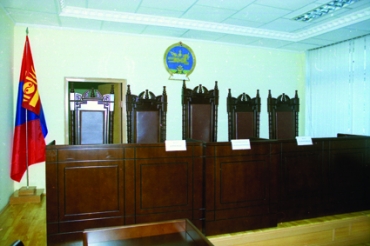
09:58 pm | The Mongolian Judicial Institution one of the three main branches that execute the law in Mongolia. Only Courts execute the judicial power. The Mongolian judiciary system consists of the Supreme Court, Aimags’ and...
December 14 2009 / No comment / Read More »
08:34 pm | There are a number of fashion shows that take place in Ulaanbaatar throughout the year. The biggest and most well know is Goyol which takes place in December over a whole weekend at...
November 11 2009 / 3 comments / Read More »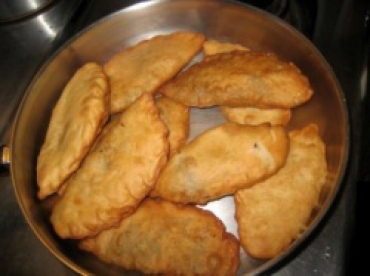
02:55 pm | With 30 million herd animals in the country, Mongolians eat a lot of meat and milk products. Fruit and vegetables are harder to come by. Nothing grows in the long winter, so most...
November 11 2009 / No comment / Read More »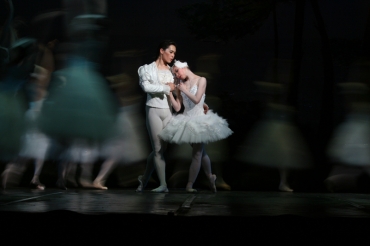
03:19 am | Mongolian State Academic theatre of opera and ballet is the theatre which serve with both classical and national operas, ballets, and orchestral productions. We have collection of over 100 world classical and national...
November 11 2009 / 2 comments / Read More »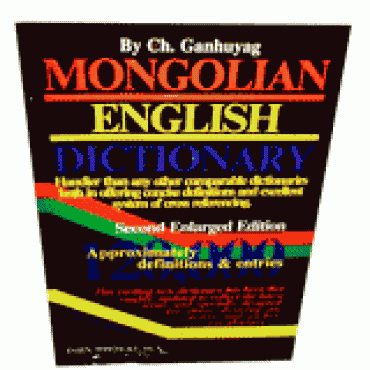
03:30 am | Price – $69.99 (Single User) The Mongolian-English Dictionary from Lingua Mongolia is the first piece of commercial dictionary software for Uighur-script and Cyrillic Mongolian in the world. The culmination of over four years...
October 21 2009 / 1 comment / Read More »
09:06 pm | Aside by having four seasons Mongolia has an extreme continental climate, meaning that it is so far in land that no sea moderates its climate. With over 260 sunny days a year, Mongolia...
October 4 2009 / 1 comment / Read More » 04:19 pm | Please, look to the east if you are at the Chinggis Khaan International airport, but if you are at the...
 11:08 am | The legendary bird – Geruda has been chosen as the emblem of the Mongolian capital. According to Mongolian beliefs, the...

01:23 pm | Guru travel LLC estallished in 2004, is a new tourist camp which consists of traditional style ger...
August 21 2009 / No comment / Read More »
05:17 pm | Terelj-Jiilchin company has been running the business in Mongolian tourism field since established in April 1991 and...
August 19 2009 / No comment / Read More »
03:11 pm | The facilities offered at the tourist camp: - A ger (Mongolian national tent) camp with 50 beds....
August 18 2009 / No comment / Read More »
02:19 pm | Our luxury tourist camp started operating from 1st of April, 2002. During the 6 years we have...
August 18 2009 / No comment / Read More »
01:28 pm | Explore Mongolia! This is your biggest change to get introduced to the real nomadic lifestyle of the...
August 18 2009 / No comment / Read More »
12:54 pm | It is capable to receive from 60-80 guests in there gers with 2-4 beds. In the heart...
August 18 2009 / No comment / Read More »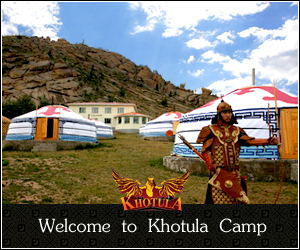

02:28 pm | Animals adapted to all kind of ecosystems such as forest, steppe, desert, alpine, tundra, talus and water surrounding grove, have established themselves in Mongolia. Many animals, which are frequently spread throughout the Siberian taiga, European-type forests, western Asia and Turan desert, are included in the aforementioned animals. Also there are many endemic species, which are...
November 9 2009 / No comment / Read More »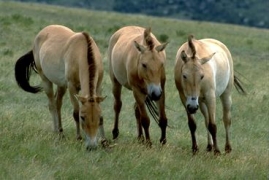
04:05 pm | Mongolia is a landlocked country in northern continental Asia bordering with the Russian Federation on the north and the People’s Republic of China on the east. It has a land area of 1.6 million square kilometers, making it the fifth largest country in Asia and the seventeenth in the world. Geographic Situation of Mongolia, covering...
December 8 2008 / No comment / Read More »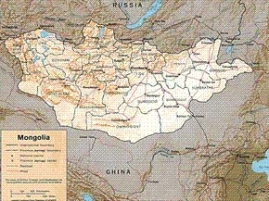
01:58 am | Mongolian music is a reaction to their surroundings and life. Caring for a baby provokes melody. Seeing a calf being rejected, its mother is convinced to return by singing. Seeing white gers spread across the green pasture inspires a proud melody. Traveling a long way on horseback, riding sets a pace, the pace delivers rhyme,...
December 22 2009 / 2 comments / Read More »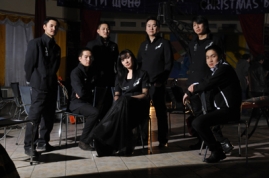
08:56 pm | The furniture in a ger is made to be not only functional but also aesthetically pleasing. Many a ger will contain furniture painted bright shades of orange, blue, pink and white and will usually stand out inside the ger. The space inside a ger is usually quite limited, and this lack of space limits the...
February 25 2009 / No comment / Read More »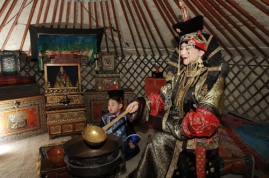
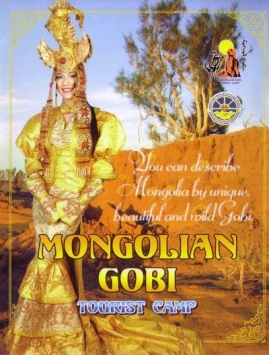
05:39 pm | The “Mongolian Govi” tourist camp is full service tour camp in Mongolia. We received foreign visitors, organized all kind of travel activities to Bayanzag-Dinosaurs area and Govi region make services such as riding a camel, a horse, hiking, introducing traditional customs. Mongolian gers -17 gers with 1-4 lattice sections, Deluxe Gers-8 gers with toilets /80...
August 21 2009 / 1 comment / Read More »